And an exercise to help
Welcome, dearest reader, to the latest edition of Rhythm & Recognition. Each week (usually) I share an insight or lesson from inspired by a coaching session with a client or my own journey on running a more sustainable, aligned business. All in service of helping you find your own rhythm in this modern life and more effortless recognition for your unique gifts. -Kyle
I’m guilty.
In fact, I’ve been taken to the Supreme Court of Business-Mistakes-You-Didn’t-Even-Realise-You-Were-Making many times for this.
I’m guilty of the crime of not charging my worth.
Okay, maybe crime is a bit harsh, after all the only person who was impacted was me.
Or was it?
Can not charging what you’re worth impact those around you? Your family. Your clients. Your community.
Surely being affordable is important, right?
If you run a service based business, especially in the health, fitness and wellness space, I’ll hazard an educated guess in saying that you love what you do. You love seeing your clients transform. You love opening people’s eyes to a new way of living.
You love it so much, and find the work so meaningful, that you’d do it for free.
In fact, maybe you are doing it or parts of it for free right now.
A great example of this is charging for an hour of your time, then heaping on free bonuses, check-ins, etc. because you want your client to feel they got their value for money.
It’s totally understandable. And I’m not calling you out, like I said, I’ve been there before.
But it is worth understanding what’s going on and how this might be making things harder for yourself (and possibly worse your clients) in ways you haven’t realised.
The Problem With Working For Free
On the surface, working for free seems noble.
And in some ways it is.
One example that comes to mind is that you can help people who can’t afford to pay you. And that means you can help more people, right?
Let’s look at this very newsletter. This edition of Rhythm & Recognition might help a bunch of people. It’s free so anyone with an internet connection can read it. And it costs me nothing except an hour to write it down.
But imagine if instead of writing this in a newsletter I only taught this to people face to face, one at a time.
For free.
Would it make sense to do it that way? Remember, I love helping people with this kind of thing. It fills my cup.
I’ll imagine that what you’re telling me is, no.
(After all, it’s much easier to tell someone else they’re undervaluing themselves than looking at yourself.)
My costs for teaching people one by one would go through the roof:
Time spent away from other things I enjoy and my family
Cost of fuel driving around (even flying as some of you are overseas)
Added stress of more things in my day
Not enough time for my healthy habits like eating well and exercising
Maybe I need to pay for a space to teach people too, so I’m out of pocket too
Now, in this example it seems obvious that unless I’m financially backed, doing this for free won’t work out long term.
It’s a very unsustainable business model.
Well, here’s the thing.
If you’re charging too little for what you do, you’ll find yourself in a similar situation. Your costs (not just financial, but energetic too) will end up outweighing what you’re bringing in. You’ll find yourself busy but just kind of breaking even.
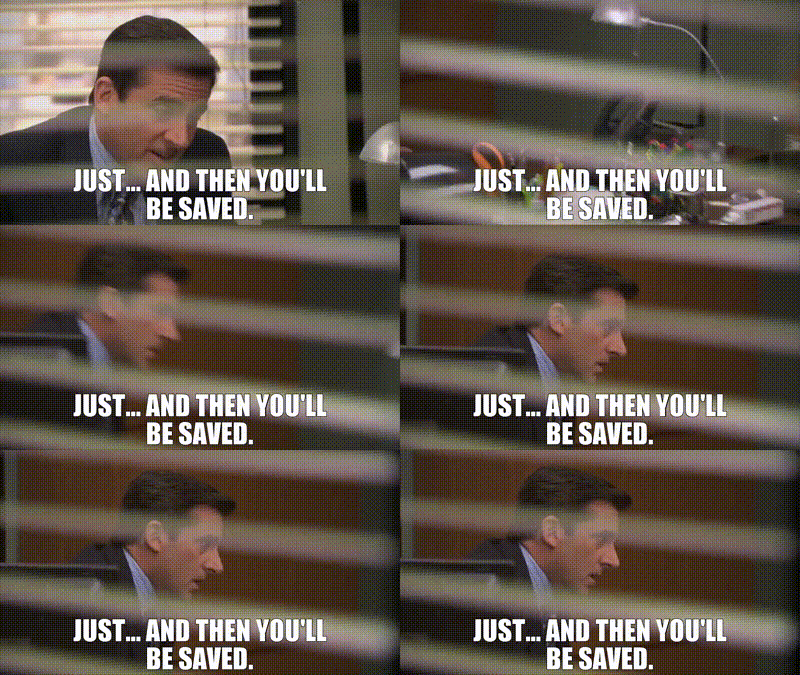
So this is the part where I say, just increase your prices and then you’ll be saved.
Ha!
As you know, it’s not that simple.
So, what’s going on here? Let’s look at it in the next section and then I’ve got an exercise you can try.
Why is it so hard to charge what we’re really worth?
We are often the sum of our experiences.
And that includes our experiences around money.
Throughout our lives we’ve seen or heard things around the topic of money which we’ve then internalized as beliefs.
Sometimes it’s that money always felt scarce growing up. Sometimes it’s an offhand comment from a friend who says ‘I wouldn’t pay that much, what a rip off!’.
So then when it comes to picking a price to charge for what you do, all of these stories show up, often without you even realising, and weigh in on what that price should be.
So when someone tells you to simple ‘increase your prices’, while that seems easy, it often feels hard because you’re coming up against these hidden beliefs.
Now there are lots of ways to deal with these money stories from therapy to IFT (to just putting your head in the sand) but they all start with actually identifying what they are.
Sometimes simply identifying them is enough to move on from them.
In the exercise below, I want to share a simple way you can discover your stories that only takes a few minutes.
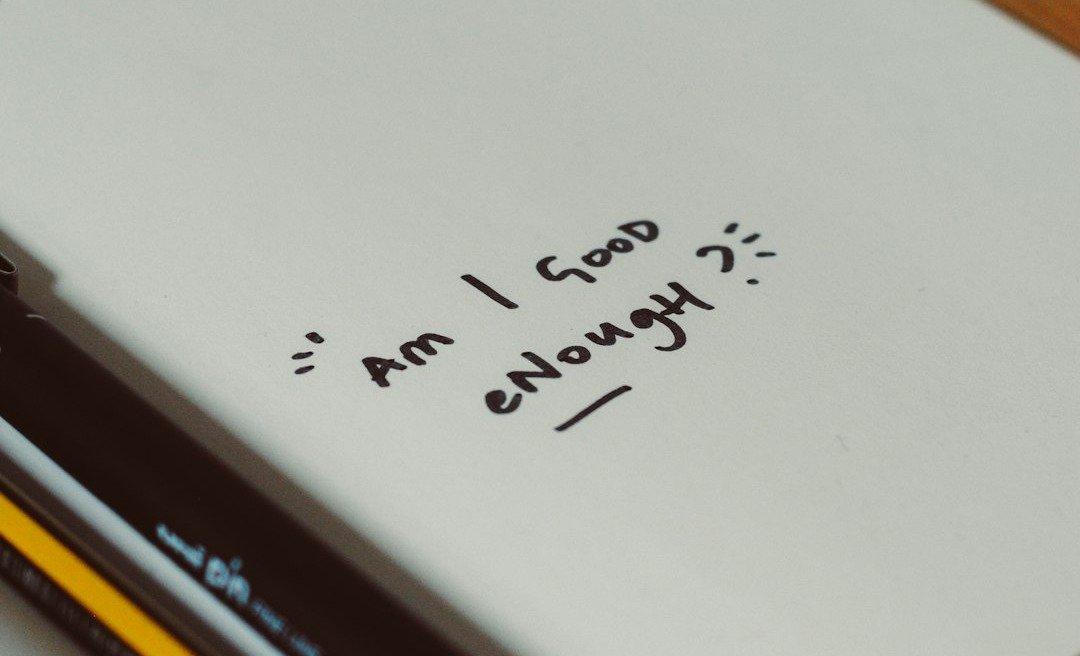
Exercise: Uncover your money stories
Okay, grab a piece of paper and a pen.
Now, before we even get into the exercise, there might be some stories rattling around your head already just from reading this newsletter (eg. ‘my current clients will leave if I increase my prices’ or ‘people are doing it tough right now’).
Let’s clear them out of the way by writing them down first. Don’t judge them. Simply right them down and move onto the next one.
Now, let’s dive in.
Write down your current price for your main service. Now cross that out and double it. That’s the new price for your service. Imagine announcing that to the world.
Great! Now, what’s coming up for you? Write down all the money stories as they come up. Even if they seem insignificant.
You’re doing great! Now cross out the last price and write down a number that’s half way between those two (eg. $100 normally, $200 doubled, $150 half-way). Now imagine that’s your new price and that you’re announcing it to the world.
Write down what comes up now. Often some new memories or beliefs will arrive. (Sometimes that number will feel good and nothing will come up, if that’s the case just notice that as a bit of a clue of how much more you could be charging.)
Bonus: Pick a number between that half-way mark and your normal price (eg. between $150 and $100) that feels just on the edge of your comfort zone. That’s a clue of what you could change your price to right now and still feel safe.
Now, scan back through your list and ask yourself:
Which of these stories are actually my business?
Which one’s am I carrying around for someone else?
Which do I know to be true and which are assumptions?
And for any sticky ones: Why is this so important to me?
If you’ve never done something like this before, it can be really eye opening, and if you have, maybe it’s time to do it again?
Feel free to reach out or leave a comment if anything resonated with you.
Community Mini-Reading
I received a comment on last week’s newsletter from a reader who was curious about creating an energetically sustainable business like my wife has. She also mentioned she’d checked out her Human Design briefly and it had resonated with her but she wasn’t sure what to do with that info.
That’s very understandable. Human Design is a bit of a beast with many layers. So I asked for her type (she’s an Emotional Generator) and from that I simplified things into just two things she could experiment with to align more with her Human Design and grow a sustainable business.
If you have an Emotional authority or are a Generator, you might find this helpful too.
Here’s what I wrote:
If you’re looking for some ways to make use of it [Human Design] here are a couple of practical ways you can experiment with aligning more with your type of Emotional Generator:
1. Fall in love with the phrase ‘Let me get back to you on that.’ As an emotional authority its wise for you to take your time making decisions. Clarity usually comes with time, not always in the moment.
2. For a week spend some time at the end of each day noting which activities and people made you feel really satisfied and which left you feeling frustrated. Satisfaction is a signpost that you’re heading in the right direction where as frustration is a sign it might be time to let go of something.
Let me know how that resonates or not. This is the kind of thing I talk about with clients when I do Human Design sessions with them. I try to always bring it back to practical actions because it can be pretty overwhelming.
If you’ve got any Q’s about using Human Design with your business, drop me a note in the comments and I’ll do my best to answer.
-Kyle